









C-15 3rd Floor, Amar Colony Main Market,
Lajpat Nagar - 4,
New Delhi - 110024, India
Conversations around a verified mark service often begin with a trust concern. Not technical at first glance. More about how the business appears to customers, how communication is perceived, whether messages are taken seriously. What typically happens is one requirement opens up a few others. Domain alignment, email authentication, brand consistency. Small details, but they sit across different layers. In practice, teams start reviewing how their systems are set up. Not just for verification, but for reliability. If one piece is unclear, it tends to affect the rest. Gradually, attention shifts beyond the initial requirement. Many businesses don’t plan for that expansion. But once visibility improves, it becomes easier to spot what needs tightening. Some explore further. Others pause and address things step by step.
Some businesses come in with a clear need around trust or visibility. Others arrive after noticing inconsistencies in how their communication is received. We’ve worked with teams where marketing and IT had different views of the same problem. Alignment takes a bit of time there. There are founders who want to understand every detail. Others just want it handled, with minimal back and forth. Not every engagement goes deep. A few stay focused on a specific requirement. Others extend, especially when gaps start showing up across systems.
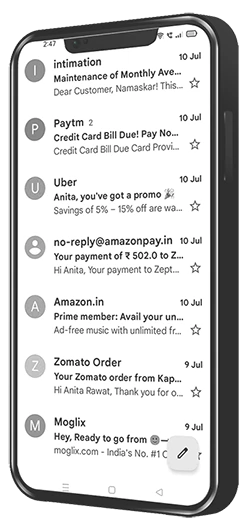
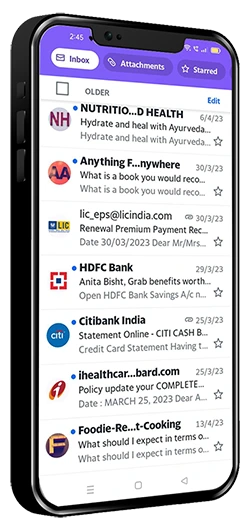
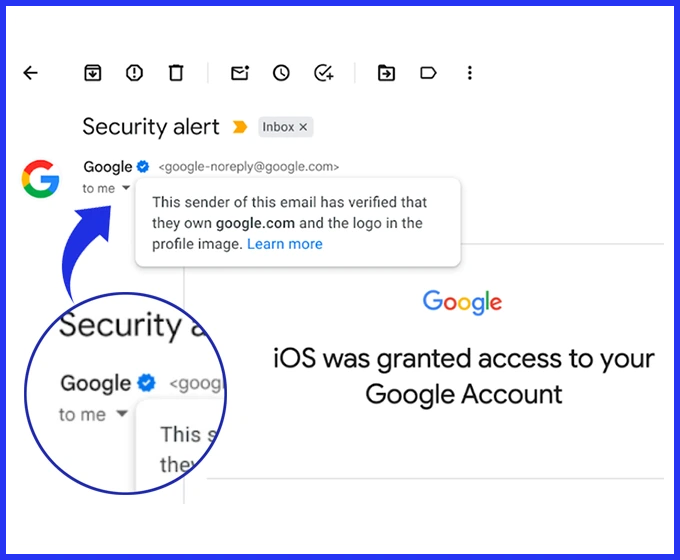
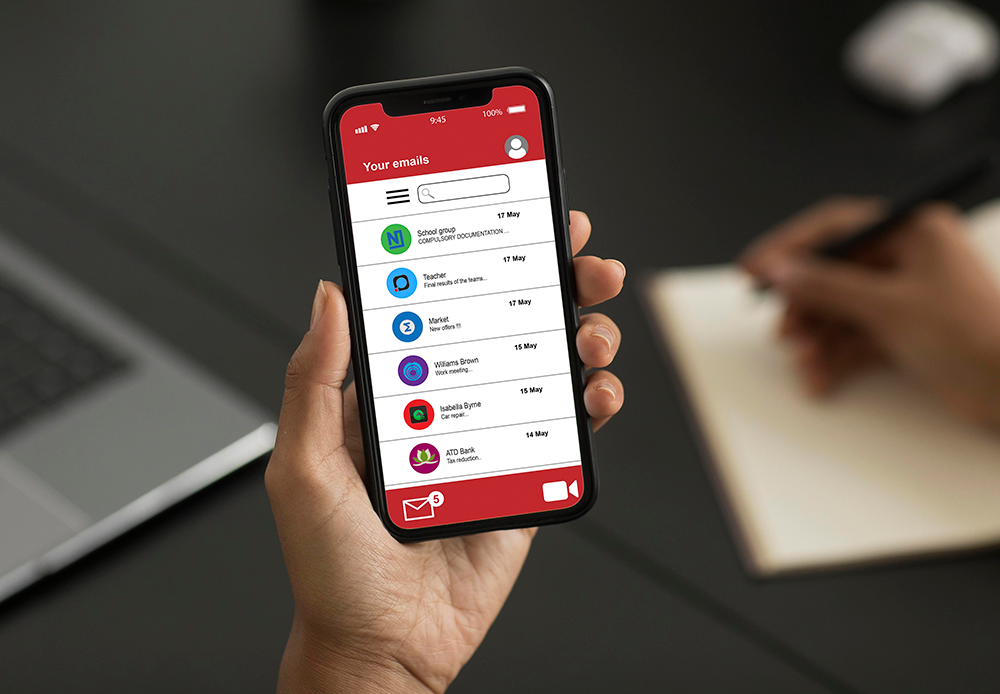
It’s a functional security layer. When you see your logo next to your email in Gmail or Apple Mail, that’s not just "design"—that’s BIMI (Brand Indicators for Message Identification) in action. It tells the recipient’s server: "We’ve checked their DMARC, we’ve checked their VMC, and this is 100% the real brand." Without it, your ₹10 Lakh ($10,850) email campaign is just another "Unverified" message that people are too scared to click. At Jingle Infotech, we bridge the gap between "Sent" and "Seen."
Because the internet doesn't trust your .png file. You need a VMC (Verified Mark Certificate) from a certified authority like DigiCert or Entrust. This requires you to have a Registered Trademark. If you don't have the legal paperwork for your logo, you can't get the verified mark. It’s a ₹1.2 Lakh ($1,300) annual investment on average, but it’s the only way to stop "Logo Spoofing." If you're "Trademark Pending," you're stuck in the waiting room. We help you prep your SVG Tiny 1.2 files so they don't get rejected by the BIMI validators.
Yes. No shortcuts. Your DMARC policy must be set to quarantine or reject. If it’s set to p=none, the Verified Mark won't show up. You’re basically telling the world, "I want the badge, but I’m too lazy to lock my doors." Most firms fail here because they're afraid of "False Positives" blocking real mail. JIL manages your DMARC Rollout—starting at roughly ₹15,000 ($162) for a clean audit—to make sure your legitimate mail flows while the "Verified Mark" stays locked.
No. This is for Organizational Domains. If you're sending from @gmail.com, you don't own the domain, so you can't verify the brand. You need a professional setup on JIL’s servers or a dedicated mail relay. In 2026, the "Personal Email" for business is a huge red flag. A verified mark is the "Suit and Tie" of the digital world. If you're unwilling to spend the ₹460 ($5) a month for a workspace and the VMC overhead, you aren't ready for enterprise-level trust.
The "Verified Mark" vanishes. The VMC is tied to the legal validity of your logo. The moment the Certificate Authority (CA) sees a lapse in your trademark registration, they revoke the certificate. It’s a "Live" trust-score. We keep our clients on an Auto-Renewal Alert because losing your verification in the middle of a ₹1.5 Cr ($162,000) quarterly launch is a disaster you don't want to explain to the board.